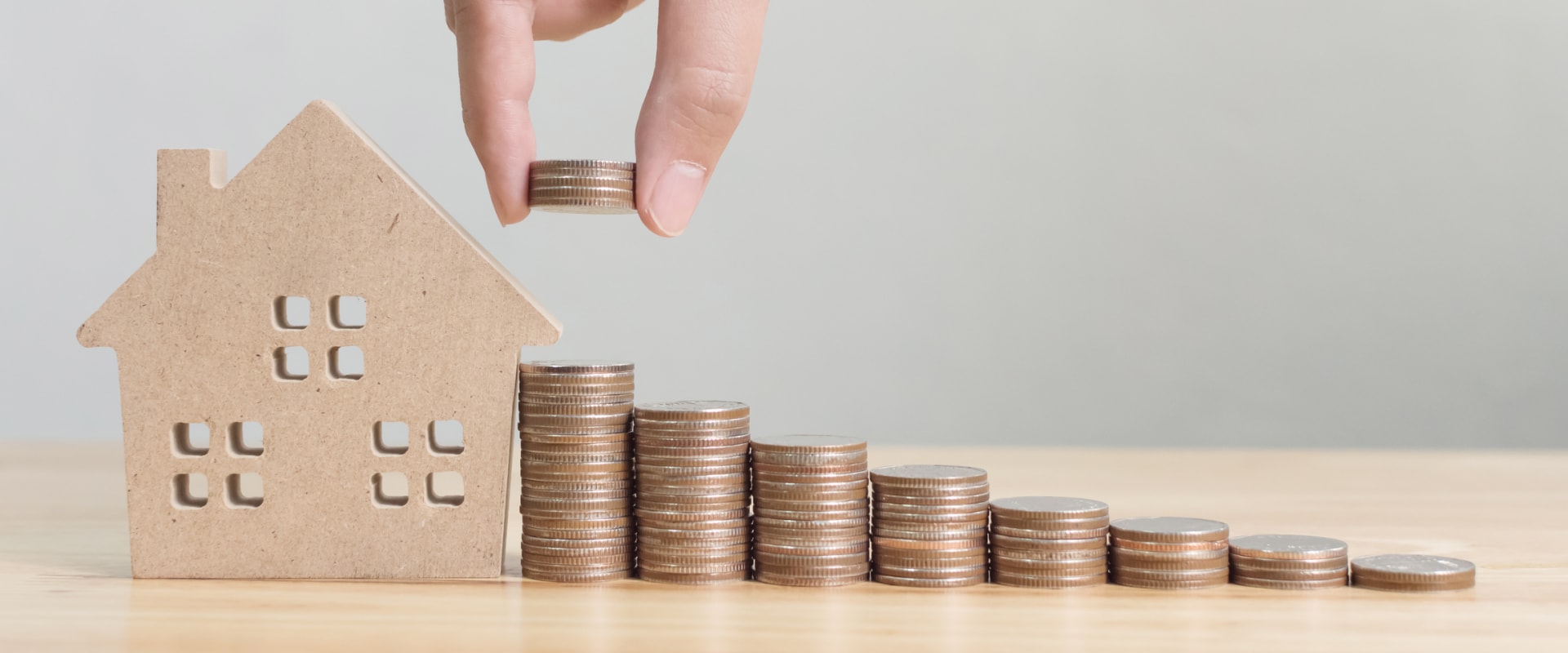
In today’s fast-paced world, the dream of homeownership often feels like a distant goal, especially for first-time buyers. However, with the right mindset and effective strategies, you can save money quickly and make that dream a reality. Owning a home not only provides stability and a sense of belonging but also serves as a long-term investment that can appreciate over time. The journey to homeownership begins with a solid savings plan, and understanding how to maximize your savings potential is crucial.
Just as a builder uses a chalk line to ensure straight walls, you can create a clear path to your financial goals by setting specific savings targets. Saving for a house requires more than just setting aside spare change; it demands a strategic approach to your finances. The urgency to accumulate funds for a down payment can be overwhelming, but it’s essential to remember that every small step counts. By implementing targeted savings strategies, you can accelerate your path to homeownership. Whether you’re looking to buy in the near future or planning for a longer-term goal, having a clear plan will help you stay focused and motivated. Throughout this article, we will explore six effective strategies designed to help you Just as a builder uses a chalk line to ensure straight walls, you can create a clear path to your financial goals by setting specific savings targets. Saving for a house requires more than just setting aside spare change; it demands a strategic approach to your finances. The urgency to accumulate funds for a down payment can be overwhelming, but it’s essential to remember that every small step counts. By implementing targeted savings strategies, you can accelerate your path to homeownership. Whether you’re looking to buy in the near future or planning for a longer-term goal, having a clear plan will help you stay focused and motivated. Throughout this article, we will explore six effective strategies designed to help you save for a house quickly.
From adjusting your spending habits to exploring various loan options, these actionable tips will empower you to take control of your financial future. By prioritizing your savings and making informed decisions, you can build the foundation necessary for purchasing your dream home sooner than you think.
Understanding Your Financial Situation
Before embarking on your journey to save money for a house, it’s essential to conduct a thorough financial assessment. Understanding your current financial situation is the first step toward effective budgeting and saving. This process involves evaluating your income, expenses, and debts to create a clear picture of where you stand financially.1.Assess Your Income
- Begin by listing all sources of income, including your salary, bonuses, freelance work, and any passive income streams.
- Calculate your total monthly income to understand how much money you have available for savings after covering your essential expenses.
2.Track Your Expenses
- Document all your monthly expenses, categorizing them into fixed (rent, utilities) and variable (groceries, entertainment) costs.
- Use budgeting apps or spreadsheets to keep track of your spending habits over a few months.
This will help identify areas where you can cut back.
3.Evaluate Your Debts
- List all outstanding debts, including credit cards, student loans, and personal loans. Note the interest rates and minimum payments for each.
- Understanding your debt situation is crucial because high-interest debts can significantly hinder your ability to save money effectively.
4.Create a Budget4.Create a Budget
Once you have a clear understanding of your income, expenses, and debts, it’s time to create a budget. A well-structured budget will help you allocate funds toward savings while ensuring that you can meet your monthly obligations. Consider the following:
- 50/30/20 Rule: Allocate 50% of your income to needs (essentials), 30% to wants (discretionary spending), and 20% to savings and debt repayment.
- Set Savings Goals: Determine how much you need for a down payment and set monthly savings targets to reach that goal within your desired timeframe.
5.Monitor and Adjust
Your financial situation may change over time due to various factors such as job changes or unexpected expenses.
Regularly review your budget and adjust it as necessary to stay on track with your savings goals. By thoroughly understanding your financial situation through assessment and budgeting, you’ll be better equipped to save money effectively for your future home.
Creating a Realistic Budget
Creating a budget is a crucial step in your journey to save money for a house. A well-structured budget not only helps you track your expenses but also allows you to set clear financial goals that prioritize your savings. Here’s how to create a realistic budget that aligns with your home-buying aspirations.1.Assess Your Current Financial Situation
- Begin by gathering all your financial statements, including bank statements, credit card bills, and any other sources of income or expenses.
- Calculate your total monthly income after taxes. This will give you a clear picture of how much money you have available to allocate towards savings and expenses.
- List all your fixed and variable expenses.
Fixed expenses include rent, utilities, and loan payments, while variable expenses cover groceries, entertainment, and dining out.
2.Set Clear Savings Goals
- Determine how much money you need for a down payment on your future home. Research the average down payment in your desired area to set a realistic target.
- Break down this total into manageable monthly savings goals. For example, if you need $20,000 for a down payment in two years, aim to save approximately $833 each month.
- Consider setting up a separate savings account specifically for your house fund. This will help you keep track of your progress and prevent you from spending the money on other expenses.
3.Track Your Spending
- Use budgeting apps or spreadsheets to monitor your daily spending habits.
This will help you identify areas where you can cut back.
- Review your spending weekly or monthly to ensure you are staying on track with your budget and savings goals.
- If you notice any overspending in certain categories, adjust your budget accordingly to maintain your savings plan.
4.Adjust as Necessary
- Your financial situation may change over time due to unexpected expenses or changes in income. Be flexible and willing to adjust your budget as needed.
- If you receive bonuses or tax refunds, consider allocating a portion of these funds directly into your house savings account.
Cutting Unnecessary Expenses
One of the most effective ways to save money quickly is by cutting unnecessary expenses from your daily life. This approach not only helps you accumulate funds for a house but also fosters a mindset of frugal living, which can lead to long-term financial stability. Here are some actionable strategies to help you reduce expenses:-
Evaluate Your Subscriptions: Take a close look at all your monthly subscriptions, including streaming services, gym memberships, and magazine subscriptions.
Cancel any that you rarely use or can live without. Consider sharing accounts with family or friends to cut costs further.
- Cook at Home: Eating out can significantly drain your finances. By preparing meals at home, you not only save money but also have control over ingredients and portion sizes. Plan your meals for the week and create a shopping list to avoid impulse purchases.
-
Limit Impulse Purchases: Implement a waiting period for non-essential purchases.
For example, if you see something you want, wait 30 days before buying it. This practice can help you determine if the item is truly necessary.
- Use Public Transportation: If feasible, consider using public transportation instead of driving. This can save you money on gas, parking fees, and maintenance costs associated with owning a vehicle.
- Shop Smart: When grocery shopping, always stick to your list and avoid shopping when hungry. Look for sales, use coupons, and consider buying generic brands instead of name brands to save money.
- Reduce Utility Bills: Simple changes like turning off lights when not in use, unplugging electronics, and using energy-efficient appliances can lead to significant savings on your utility bills.
Living below your means is not just about deprivation; it’s about making conscious choices that align with your financial goals. As you start to see your savings grow, you'll feel more motivated to continue this frugal lifestyle, bringing you one step closer to purchasing your dream home.
Increasing Your Income
One of the most effective ways to save money for a house quickly is to focus on increasing your income. By boosting your earnings, you can significantly enhance your savings potential and reach your homeownership goals sooner. Here are some strategies to consider:Explore Side Hustles
Side hustles have become increasingly popular as a means to supplement your primary income.These flexible jobs can be tailored to fit your schedule and interests. Here are a few ideas:
- Freelancing: Utilize your skills in writing, graphic design, programming, or marketing by offering freelance services on platforms like Upwork or Fiverr.
- Online Tutoring: If you excel in a particular subject, consider tutoring students online through websites like Tutor.com or Chegg Tutors.
- Ridesharing or Delivery Services: Sign up for services like Uber, Lyft, or DoorDash to earn extra cash during your free time.
- Sell Handmade Goods: If you're crafty, platforms like Etsy allow you to sell handmade items and reach a broader audience.
Consider Changing Jobs
If you find that your current job does not offer sufficient financial growth, it may be time to explore new opportunities. Changing jobs can lead to higher salaries and better benefits. Here are some tips for making a successful transition:- Research Market Salaries: Understand the average salary for your position in your area to ensure you’re being compensated fairly.
- Network: Connect with professionals in your industry through LinkedIn or local networking events to discover job openings and gain insights into potential employers.
- Enhance Your Skills: Consider taking courses or obtaining certifications that can make you more attractive to potential employers and increase your earning potential.
Every additional dollar earned can be directed towards your down payment fund, bringing you one step closer to owning your dream home.
Utilizing Savings Accounts and Investment Options
When it comes to saving money for a house, the type of savings account or investment option you choose can significantly impact how quickly your funds grow. Understanding the various options available can help you make informed decisions that align with your financial goals.High-Yield Savings Accounts
A high-yield savings account is an excellent choice for those looking to save for a down payment. Unlike traditional savings accounts, which often offer minimal interest rates, high-yield accounts provide significantly better returns. These accounts are typically offered by online banks and credit unions, which have lower overhead costs and can pass those savings on to you in the form of higher interest rates.- Liquidity: High-yield savings accounts allow easy access to your funds, making them ideal for short-term savings goals.
- Safety: These accounts are usually insured by the FDIC (Federal Deposit Insurance Corporation) up to $250,000, ensuring your money is protected.
- No Fees: Many high-yield accounts come with no monthly maintenance fees, allowing you to maximize your savings.
Certificates of Deposit (CDs)
If you can afford to lock away your money for a set period, consider investing in a Certificate of Deposit (CD).CDs typically offer higher interest rates than regular savings accounts in exchange for committing your funds for a specific term, ranging from a few months to several years.
- Fixed Interest Rates: CDs provide a guaranteed return on your investment, making them a low-risk option.
- Variety of Terms: You can choose from various terms that suit your timeline for purchasing a home.
Investment Accounts
If you're willing to take on more risk for potentially higher returns, consider opening an investment account. Investing in stocks, bonds, or mutual funds can yield greater growth over time compared to traditional savings methods. However, it's essential to understand that investments come with risks and market fluctuations.- Diversification: By diversifying your investments across different asset classes, you can mitigate risks while aiming for higher returns.
- Long-Term Growth: If your timeline allows, investing can significantly increase your savings over several years.
Researching Home Loan Options
When it comes to saving money for a house, understanding home loan options is crucial.The right mortgage can significantly impact your financial future, making it essential to research and compare various types of loans available in the market. Start by familiarizing yourself with the different types of mortgage options. Here are some common types:
- Fixed-Rate Mortgages: These loans have a constant interest rate and monthly payments that never change. They are ideal for those who plan to stay in their home long-term.
- Adjustable-Rate Mortgages (ARMs): These loans have interest rates that may change after an initial fixed period. While they often start with lower rates, they can increase over time, which may affect your budget.
- FHA Loans: Backed by the Federal Housing Administration, these loans are designed for low-to-moderate-income borrowers and require lower down payments, making them accessible for first-time homebuyers.
- VA Loans: Available to veterans and active-duty military members, VA loans offer favorable terms, including no down payment and no private mortgage insurance (PMI).
- USDA Loans: These loans are aimed at rural homebuyers and offer zero down payment options for eligible applicants.
Many programs exist to help potential homeowners cover their down payment costs. Research local and state programs that offer grants or low-interest loans to assist with down payments. Some employers also provide assistance as part of their benefits package. Additionally, consider consulting with a mortgage broker or financial advisor who can guide you through the process. They can help you assess your financial situation and recommend the best loan options based on your needs.
Make sure to gather all necessary documentation, such as income statements and credit reports, as this will streamline the application process. Finally, don’t forget to compare interest rates from multiple lenders. Even a small difference in rates can lead to significant savings over the life of your loan. Use online calculators to estimate your monthly payments based on different loan amounts and interest rates. This will give you a clearer picture of what you can afford and how much you need to save. By thoroughly researching home loan options and understanding down payment requirements, you can make informed decisions that will help you save money effectively while working towards your goal of homeownership.
Setting Up an Emergency Fund
When embarking on the journey to save for a house, establishing an emergency fund is a crucial step that should not be overlooked.This fund acts as a financial safety net, providing you with the security needed to navigate unexpected expenses without derailing your savings goals. Life is unpredictable, and emergencies can arise at any moment—be it a medical issue, car repairs, or sudden job loss. Without an emergency fund, you may find yourself dipping into your house savings to cover these unforeseen costs, which can significantly delay your timeline for homeownership.
Why an Emergency Fund is Essential
Having an emergency fund not only protects your savings but also contributes to your overall financial security. Here are some key reasons why you should prioritize building this fund:- Prevents Financial Setbacks: An emergency fund allows you to handle unexpected expenses without compromising your home savings. This means you can stay on track toward your goal of purchasing a house.
-
Reduces Stress: Knowing that you have a financial cushion can alleviate anxiety during challenging times.
This peace of mind enables you to focus on your savings strategy rather than worrying about potential financial crises.
- Encourages Smart Spending: When you have an emergency fund in place, you're less likely to make impulsive financial decisions. You can approach spending with a clear mind, knowing that you have funds set aside for emergencies.
How to Build Your Emergency Fund
Building an emergency fund doesn't have to be overwhelming. Here are some practical steps to help you get started:- Set a Target Amount: Aim for three to six months' worth of living expenses. This amount will vary based on your personal circumstances, but having a clear target will give you something concrete to work towards.
-
Create a Separate Savings Account: Open a dedicated savings account for your emergency fund.
This separation makes it easier to track your progress and reduces the temptation to use these funds for non-emergencies.
- Automate Your Savings: Set up automatic transfers from your checking account to your emergency fund each month. Automating this process ensures that you're consistently contributing without having to think about it.
Conclusion
In conclusion, saving money for a house is a journey that requires dedication, strategic planning, and a clear understanding of your financial landscape.Throughout this article, we have explored six effective strategies that can significantly accelerate your savings process, enabling you to reach your goal of homeownership more swiftly. First and foremost, adopting a cash payment system can help you control your spending habits. By using cash instead of credit or debit cards, you become more aware of your expenditures, which can lead to better financial decisions. This simple shift can make a substantial difference in your ability to save. Secondly, consider the potential benefits of changing jobs. While it may seem daunting, seeking higher-paying employment can provide the financial boost necessary to enhance your savings rate.
A better salary not only increases your income but also allows you to allocate more funds toward your down payment. Researching loan options is another critical step in the process. Understanding the various types of home loans available and their requirements can help you set realistic savings goals. Knowing how much you need for a down payment will give you a clearer target to aim for. Additionally, educating yourself about home loans and their associated rules can empower you to make informed decisions when it comes time to secure financing. This knowledge can also help you navigate potential assistance programs that may be available for first-time homebuyers. Moreover, while saving for a house is essential, don’t neglect your retirement savings.
If you’re planning to buy a home soon, consider how retirement accounts might play a role in your overall financial strategy. Some retirement accounts allow for penalty-free withdrawals for first-time home purchases, which could provide an additional source of funds. Finally, creating a detailed budget is crucial. A well-structured budget not only helps you track your expenses but also ensures that you are consistently setting aside money for your future home. By prioritizing savings within your budget, you can make significant progress toward your goal. Ultimately, the key to successfully saving money for a house lies in commitment and planning.
By implementing these strategies and remaining focused on your objectives, you can transform the daunting task of saving into an achievable goal. Remember that every small step counts; with perseverance and discipline, you will be well on your way to owning your dream home.