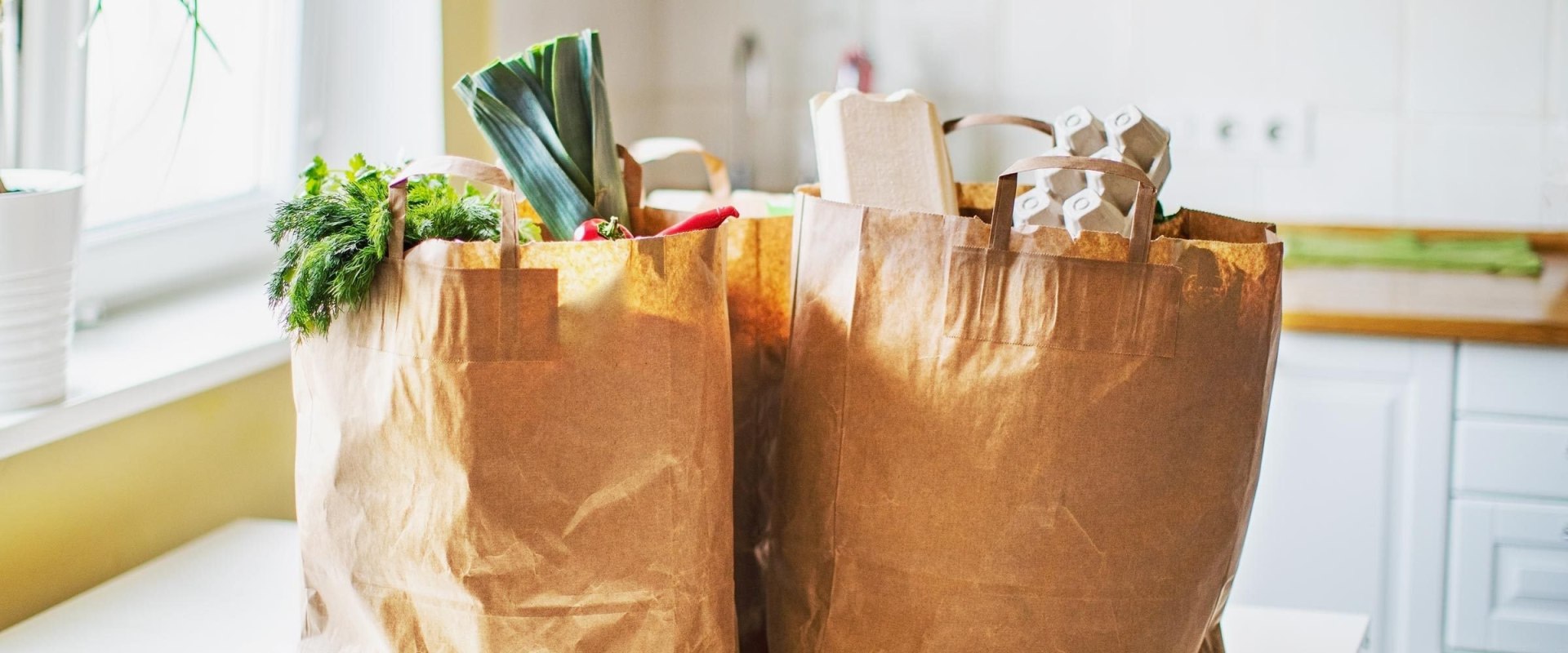
In today's economy, where food prices seem to rise almost daily, finding ways to save money on groceries has become a necessity for many households. The challenge of managing a grocery budget while still providing nutritious meals for your family can feel overwhelming. However, with a little creativity and strategic planning, you can significantly reduce your grocery bill without sacrificing quality or variety in your meals. For families with high school students, exploring Financial Aid Options for High School Students can also help alleviate some financial pressures. Understanding the importance of In today's economy, where food prices seem to rise almost daily, finding ways to save money on groceries has become a necessity for many households. The challenge of managing a grocery budget while still providing nutritious meals for your family can feel overwhelming. However, with a little creativity and strategic planning, you can significantly reduce your grocery bill without sacrificing quality or variety in your meals. For families with high school students, exploring Financial Aid Options for High School Students can also help alleviate some financial pressures. Understanding the importance of reducing food costs is crucial.
Not only does it free up funds for other essential expenses, but it also allows you to allocate resources towards savings or investments. As you navigate the aisles of your local supermarket, consider that every dollar saved on groceries can contribute to your overall financial health. This article will explore innovative strategies that go beyond traditional budgeting tips, offering fresh perspectives on how to approach grocery shopping. From leveraging technology to make informed purchasing decisions to embracing meal planning and bulk buying, there are numerous avenues to explore. Each method not only helps in cutting costs but also encourages a more mindful approach to consumption.
By adopting these creative solutions, you can transform your grocery shopping experience into an opportunity for savings and smarter spending. As we delve into these practical tips, remember that the goal is not just to save money but to cultivate habits that lead to long-term financial wellness. With the right mindset and tools at your disposal, you can take control of your grocery expenses and enjoy the benefits of a well-managed budget.
Plan Your Meals Strategically
One of the most effective ways to save money on groceries is to implement a strategic meal planning system. By taking the time to plan your meals for the week, you can significantly reduce impulse purchases and minimize food waste, both of which contribute to a higher grocery bill. Meal planning involves outlining what you intend to eat for each meal throughout the week. This not only helps you create a focused grocery list but also ensures that you buy only what you need.Here are some steps to help you get started:
- Assess Your Schedule: Before you begin planning, take a look at your week ahead. Consider any days when you might be busy or out of the house. This will help you decide which meals can be quick and easy, and which ones can be more elaborate.
-
Choose Recipes Wisely: Select recipes that utilize similar ingredients. This not only simplifies your shopping list but also helps prevent food waste.
For example, if you're buying spinach for one dish, plan another meal that also incorporates spinach.
- Create a Grocery List: Once your meals are planned, compile a grocery list based on the ingredients needed for those recipes. Stick to this list while shopping to avoid unnecessary purchases.
- Incorporate Leftovers: Plan meals that allow for leftovers. This can save time and money by providing ready-made lunches or dinners for the next day.
By organizing your meals in advance, you not only save money but also reduce the stress of last-minute cooking decisions. In conclusion, strategic meal planning is a foundational strategy for anyone looking to save money on groceries. By taking control of your meals and shopping habits, you can enjoy delicious food while keeping your budget intact.
Embrace Seasonal and Local Produce
One of the most effective strategies to save money on groceries is to embrace seasonal and local produce. Not only does this approach often lead to lower prices, but it also ensures that you are consuming fresher, more flavorful fruits and vegetables.Understanding Seasonal Produce
Seasonal produce refers to fruits and vegetables that are harvested during their natural growing season. When you buy these items, you are likely to find them at their peak ripeness, which translates to better taste and nutritional value.
Additionally, because these products are abundant during their harvest time, they are often sold at lower prices compared to out-of-season items that have to be imported from far away.
Benefits of Buying Local
Shopping at local farmers' markets or community-supported agriculture (CSA) programs can significantly reduce your grocery expenses. Local produce typically has a shorter supply chain, meaning it doesn't have to travel long distances to reach your plate. This not only helps in keeping costs down but also supports local farmers and the economy.
Moreover, local markets often offer organic options at competitive prices. By purchasing directly from farmers, you can sometimes negotiate prices or buy in bulk for even greater savings.
How to Incorporate Seasonal and Local Produce into Your Meals
-
Plan Your Meals: Before heading to the store or market, plan your meals around what is currently in season.
This will help you make the most of your purchases and minimize waste.
- Experiment with New Recipes: Seasonal produce can inspire creativity in the kitchen. Try new recipes that highlight these ingredients, making your meals both exciting and budget-friendly.
- Preserve Excess Produce: If you find a great deal on seasonal items, consider preserving them through canning, freezing, or drying. This way, you can enjoy the flavors of summer tomatoes or fall squash even in the off-season.
Utilize Coupons and Cashback Apps Effectively
In today's digital age, utilizing coupons and cashback apps can significantly enhance your ability to save money on groceries.These tools not only help you find discounts but also allow you to combine offers for maximum savings. Here’s how to make the most of them.
Finding the Best Grocery Coupons
Start by exploring various sources for grocery coupons. Many grocery stores offer their own coupons through weekly ads, which can be found in local newspapers or on their websites. Additionally, consider signing up for store loyalty programs, as they often provide exclusive coupons and discounts to members. Online platforms like Coupons.com, RetailMeNot, and SmartSource are excellent resources for printable and digital coupons.You can also check social media pages of your favorite brands, as they frequently share promotional codes and special offers.
Maximizing Cashback Apps
Cashback apps such as Ibotta, Rakuten, and Fetch Rewards are fantastic tools for saving money on groceries. These apps allow you to earn cash back on purchases by simply scanning your receipt after shopping. To maximize your savings:- Plan Ahead: Before heading to the store, browse the cashback app for available offers on items you plan to buy. This way, you can align your shopping list with the best deals.
-
Combine Offers: Look for opportunities to stack coupons with cashback offers.
For instance, if you have a coupon for a specific product and it’s also available for cashback, using both can lead to substantial savings.
- Refer Friends: Many cashback apps offer referral bonuses. By inviting friends to join, you can earn additional cash back when they make their first purchase.
Staying Organized
To effectively use coupons and cashback apps, organization is key. Keep a dedicated folder or app where you store all your digital coupons and cashback offers. Regularly check expiration dates to ensure you don’t miss out on savings.Additionally, consider creating a shopping list that highlights items with available discounts, making it easier to stick to your budget while shopping. By strategically utilizing grocery coupons and cashback apps, you can significantly reduce your grocery expenses while still enjoying quality products. With a little planning and organization, these tools can become invaluable allies in your quest to save money on groceries.
Buy in Bulk and Store Wisely
One of the most effective strategies to save money on groceries is to buy in bulk. Purchasing larger quantities of items can significantly reduce the cost per unit, allowing you to stretch your budget further. However, it’s essential to understand how to store these items properly to prevent spoilage and waste.Advantages of Buying in Bulk
-
Cost Savings: When you buy in bulk, you often pay less per item compared to purchasing smaller packages.
This is particularly true for non-perishable goods like grains, pasta, and canned foods.
- Reduced Packaging Waste: Bulk buying typically means less packaging, which is not only better for the environment but also means you’re paying for the product rather than the packaging.
- Convenience: Having a well-stocked pantry can save you time on grocery trips. You’ll have essential items on hand, reducing the need for last-minute shopping.
Items That Are Cost-Effective When Purchased in Bulk
- Grains: Rice, quinoa, and oats are staples that can be bought in large quantities. They have a long shelf life and can be used in various recipes.
- Canned Goods: Items like beans, tomatoes, and vegetables are often cheaper when bought in bulk. Just ensure they are stored in a cool, dry place.
- Frozen Foods: Buying frozen fruits and vegetables in bulk can save money and reduce spoilage since they can be stored for extended periods without losing nutritional value.
-
Meat: Purchasing larger cuts of meat or bulk packages can lead to significant savings.
Consider dividing them into smaller portions and freezing them for later use.
Proper Storage Techniques
To maximize your savings from bulk purchases, proper storage is crucial. Here are some tips:
- Airtight Containers: Store grains, nuts, and dried fruits in airtight containers to keep them fresh and prevent pests.
- Freezing: For perishable items like meat or bread, consider freezing them in portion sizes that suit your needs. This prevents waste and allows you to use only what you need at a time.
- Labeling: Always label your containers with the purchase date. This helps you keep track of freshness and ensures you use older items first.
Explore Alternative Shopping Options
When it comes to saving money on groceries, exploring alternative shopping options can lead to substantial savings.Many consumers overlook discount stores, farmers' markets, and online grocery shopping, all of which can provide significant cost benefits.
Discount Stores
- Discount grocery stores often offer lower prices on a wide range of products compared to traditional supermarkets. These stores typically have fewer frills and focus on providing essential items at reduced prices.
- Look for local discount chains or warehouse clubs that sell items in bulk. Buying in larger quantities can lead to lower per-unit costs, especially for non-perishable goods.
- Don’t forget to check the clearance sections in these stores. You can often find great deals on items that are nearing their expiration date but are still perfectly good to use.
Farmers' Markets
- Shopping at farmers' markets is another excellent way to save money.
Not only do you support local farmers, but you also have access to fresh produce at competitive prices.
- Seasonal fruits and vegetables are often cheaper at farmers' markets than in grocery stores. Plus, buying directly from the source means you can ask about bulk pricing or discounts for larger purchases.
- Consider joining a community-supported agriculture (CSA) program. This allows you to receive a box of fresh produce regularly at a lower cost than retail prices.
Online Grocery Shopping
- The rise of online grocery shopping has transformed how we purchase food. Many retailers offer exclusive online discounts and promotions that can help you save money.
- Using price comparison tools available on various grocery websites can help you find the best deals without having to visit multiple stores physically.
- Additionally, many online platforms allow you to create shopping lists and track your spending as you shop, helping you stay within your budget.
Whether it's through discount stores, farmers' markets, or the convenience of online shopping, there are numerous ways to save money on your grocery bill.
Conclusion
In conclusion, finding ways to save money on groceries is not just about cutting corners; it’s about being strategic and resourceful. Throughout this article, we’ve explored several effective methods that can help you significantly reduce your grocery expenses while still enjoying quality food. Here’s a summary of the key strategies discussed:- Create a Shopping List: Always start your grocery shopping with a well-planned list. This helps you focus on what you need and minimizes the temptation to make unnecessary purchases.
-
Utilize Cashback and Coupon Apps:Utilize Cashback and Coupon Apps: Leverage technology by using apps that offer cashback and coupons.
These tools can provide instant savings at checkout, making your shopping experience more economical.
- Compare Prices: Don’t settle for the first price you see. Take the time to compare prices across different stores or even within the same store to ensure you’re getting the best deal.
- Buy in Bulk: Purchasing items in bulk can lead to significant savings, especially for non-perishable goods. Just remember to divide them into smaller portions for easier use and storage.
- Opt for Store Brands: Store-brand products often offer the same quality as name brands but at a lower price. Don’t hesitate to try these alternatives to stretch your budget further.
Remember, saving money on groceries is not just about finding discounts; it’s about cultivating habits that lead to long-term savings. As you embark on your journey to cut down on grocery bills, keep in mind that creativity and planning are your best allies. Whether it’s trying new recipes with seasonal ingredients or exploring local farmers' markets for fresh produce, there are countless opportunities to save money while enjoying delicious meals. Stay proactive, be mindful of your spending, and watch as your grocery bills shrink without sacrificing quality or nutrition.