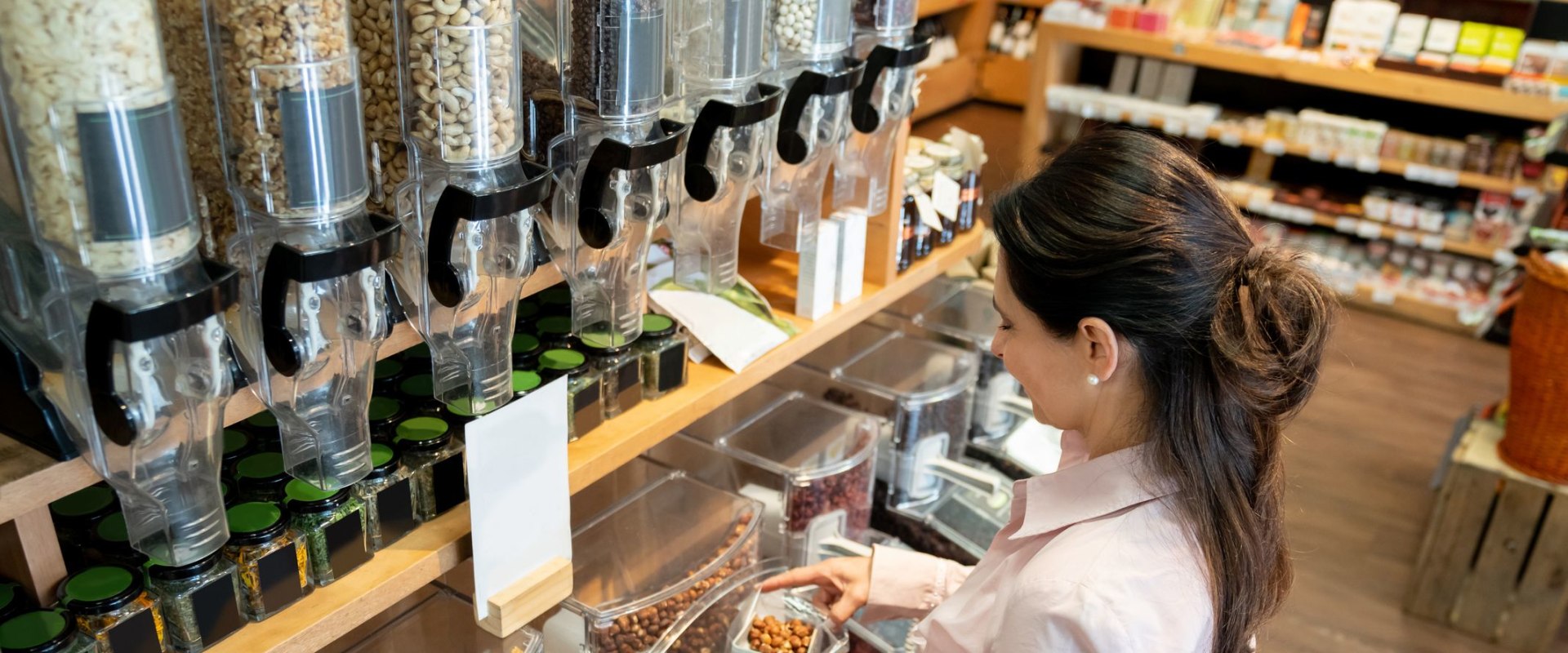
Bulk shopping is a strategy that has gained popularity among savvy consumers looking to save money while stocking up on essential items. This approach involves purchasing larger quantities of products, often at a reduced price per unit compared to buying smaller packages. The concept may seem straightforward, but understanding the nuances of bulk buying can significantly enhance your shopping experience and financial savings. One of the primary benefits of bulk shopping is the potential for substantial cost savings. When you buy in larger quantities, retailers frequently offer discounts that can lead to lower overall expenses.
This is particularly advantageous for non-perishable items or products that you use regularly, such as grains, canned goods, and household supplies. However, it’s essential to consider your consumption habits and storage capabilities before diving into bulk purchases. Moreover, bulk shopping can also contribute to reducing waste. By purchasing items in larger quantities, you can minimize the number of packages and containers that end up in landfills. This eco-friendly aspect of bulk buying not only benefits your wallet but also supports sustainable practices.
Additionally, many bulk stores offer a variety of organic and natural products, allowing health-conscious consumers to make better choices without breaking the bank. As you embark on your bulk shopping journey, it’s crucial to develop a strategy that aligns with your lifestyle and budget. While the allure of lower prices is enticing, being mindful of what you truly need will help you avoid unnecessary purchases that could lead to waste. In the following sections, we will delve deeper into practical tips and considerations for making the most out of your bulk shopping experience.
The Financial Benefits of Buying in Bulk
When it comes to grocery shopping, one of the most significant advantages of buying in bulk is the potential for cost savings. By purchasing larger quantities of items, consumers can often enjoy lower unit prices, which translates to more money saved over time.This section will explore the financial benefits of bulk shopping and how it can help you save money on groceries. One of the primary reasons bulk shopping is financially advantageous is due to the reduction in unit costs. For instance, consider a common household item like rice. Buying a 25-pound bag may cost $15, while purchasing smaller 2-pound bags could total $20. In this scenario, buying in bulk not only provides a lower price per pound but also reduces packaging waste, making it an environmentally friendly choice. Additionally, many bulk retailers offer discounts on frequently purchased items.
For example, warehouse clubs like Costco or Sam's Club often have special promotions that allow members to save even more on staple goods. These savings can add up significantly over time, especially for families or individuals who consume these products regularly. Another financial benefit of bulk shopping is the ability to stock up on non-perishable items during sales. When you find a great deal on canned goods or pasta, purchasing in larger quantities ensures that you won’t have to pay full price later. This strategy not only helps you For example, warehouse clubs like Costco or Sam's Club often have special promotions that allow members to save even more on staple goods. These savings can add up significantly over time, especially for families or individuals who consume these products regularly. Another financial benefit of bulk shopping is the ability to stock up on non-perishable items during sales. When you find a great deal on canned goods or pasta, purchasing in larger quantities ensures that you won’t have to pay full price later. This strategy not only helps you save money but also minimizes the frequency of grocery trips, which can lead to additional savings on fuel and time. Moreover, buying in bulk can lead to better meal planning and reduced food waste.
When you have larger quantities of ingredients at your disposal, you are more likely to create meals that utilize those items effectively. This not only maximizes your investment but also encourages creativity in the kitchen. In conclusion, the financial benefits of buying in bulk are clear. From lower unit prices and special discounts to strategic stocking up and reduced food waste, bulk shopping offers numerous opportunities for consumers to save money. By being mindful of what you purchase and how much you need, you can make informed decisions that lead to significant long-term savings.
Identifying What to Buy in Bulk
When it comes to bulk shopping, knowing what to buy can significantly impact your ability to save money.Not all items are created equal, and some products lend themselves better to bulk purchasing than others. Here’s a comprehensive guide to help you identify the best items to buy in bulk, categorized into pantry staples, perishables, and non-food items.
Pantry Staples
Pantry staples are often the best candidates for bulk buying. These items have a long shelf life and are used frequently in everyday cooking. Consider the following:-
Grains: Rice, quinoa, oats, and pasta are excellent choices.
Buying these in larger quantities can lead to significant savings over time.
- Canned Goods: Items like beans, tomatoes, and vegetables can be purchased in bulk without worrying about spoilage. They are versatile and can be used in various recipes.
- Spices and Seasonings: Purchasing spices in bulk can save you money and ensure you always have your favorites on hand.
- Cooking Oils: Olive oil, vegetable oil, and other cooking oils can be bought in larger containers for better pricing.
Perishables
While perishables require more careful consideration due to their limited shelf life, certain items can still be great buys:- Frozen Fruits and Vegetables: These are often flash-frozen at peak ripeness, making them a nutritious option that lasts longer than fresh produce.
- Dairy Products: Items like cheese and yogurt can be bought in bulk if you consume them regularly. Just ensure you have enough storage space.
- Meat: Buying meat in bulk can lead to substantial savings. Consider portioning it out and freezing what you won’t use immediately.
Non-Food Items
Don’t overlook non-food items when shopping in bulk.These essentials can also contribute to your overall savings:
- Household Supplies: Items like paper towels, toilet paper, and cleaning supplies often come at a lower cost per unit when purchased in bulk.
- Personal Care Products: Shampoo, conditioner, and soap can be bought in larger quantities to save money over time.
- Baby Products: If you have a baby or toddler, consider buying diapers and wipes in bulk for significant savings.
Where to Shop for Bulk Items
When it comes to bulk shopping, knowing where to shop can significantly impact your savings. There are several options available, each with its own advantages and disadvantages. Below, we explore the best places to buy in bulk, including warehouse clubs, grocery stores, and online retailers.Warehouse Clubs
Warehouse clubs like Costco , Sam's Club , and BJ's Wholesale are among the most popular destinations for bulk shopping. These stores typically require a membership fee, which can range from $45 to $120 annually.However, the savings on bulk purchases often outweigh this initial cost.
- Costco: Known for its high-quality products and extensive selection, Costco offers everything from groceries to electronics. Members can enjoy exclusive discounts and access to premium brands.
- Sam's Club: Similar to Costco, Sam's Club provides a wide variety of items at competitive prices. They also offer a unique feature called Scan & Go, allowing members to skip the checkout line.
- BJ's Wholesale: BJ's is known for its lower membership fees and the ability to use manufacturer coupons on top of their already discounted prices, making it an attractive option for budget-conscious shoppers.
Grocery Stores with Bulk Sections
Many traditional grocery stores have dedicated bulk sections where you can purchase items like grains, nuts, and spices at lower prices than pre-packaged versions. Stores such as Whole Foods , Kroger , and Safeway often have these sections.Shopping at these stores allows you to buy only what you need without committing to large quantities.
Online Options
The rise of e-commerce has made it easier than ever to shop for bulk items online. Websites like Amazon , Boxed , and Thrive Market offer bulk purchasing options with the convenience of home delivery.- Amazon: With its vast selection and Prime membership benefits, Amazon is a great option for buying bulk items. You can often find deals on pantry staples and household goods.
- Boxed: This online retailer specializes in bulk items without requiring a membership fee. Boxed offers free shipping on orders over a certain amount, making it an appealing choice for those who prefer online shopping.
- Thrive Market: Focused on organic and healthy products, Thrive Market allows you to buy in bulk while also offering membership discounts on high-quality items.
By doing so, you can maximize your savings and make the most of your bulk shopping experience.
Planning Your Bulk Shopping Trip
Planning a successful bulk shopping trip requires careful consideration and strategy to ensure you maximize your savings while minimizing waste. Here are some essential tips to help you prepare effectively.1.Set a Budget
Before you even step foot in the store, it’s crucial to establish a budget. Determine how much you can afford to spend on bulk items without straining your finances. This will help you avoid impulse purchases that can derail your savings goals.
Consider allocating a specific percentage of your monthly grocery budget to bulk shopping, allowing for flexibility while still keeping your overall spending in check.
2.Create a Detailed Shopping List
A well-thought-out shopping list is your best friend when it comes to bulk shopping. Start by assessing what items you regularly use and need in larger quantities. Focus on pantry staples, non-perishables, and items that have a long shelf life. Here are some categories to consider:
- Grains (rice, pasta, oats)
- Canned goods (vegetables, beans, soups)
- Frozen foods (fruits, vegetables, meats)
- Household supplies (toilet paper, cleaning products)
- Personal care items (shampoo, soap)
3.Timing Your Visits
The timing of your shopping trips can significantly impact your savings.
Consider visiting bulk stores during off-peak hours when they are less crowded. This not only makes for a more pleasant shopping experience but also allows you to take your time comparing prices and evaluating products without feeling rushed.
Additionally, keep an eye out for sales or special promotions that coincide with your shopping schedule. Many bulk retailers offer discounts on certain items at specific times of the month or during seasonal sales events.
4.Evaluate Storage Space
Before purchasing large quantities of items, assess your storage capabilities at home. Ensure you have enough space in your pantry, freezer, or refrigerator to accommodate the bulk purchases without compromising food safety or quality.
Proper storage is key to preventing spoilage and waste, which can negate the savings achieved through bulk buying. By following these planning tips, you can create a strategic approach to bulk shopping that not only helps you save money but also enhances your overall grocery shopping experience.
Storage Solutions for Bulk Purchases
When you decide to buy in bulk, one of the most critical aspects to consider is how to store these items effectively. Proper storage not only helps in maintaining the quality of your purchases but also plays a significant role in saving money by preventing waste and spoilage. Here are some essential tips for storing bulk items that can help you maximize your savings.Utilize Airtight Containers
Airtight containers are your best friends when it comes to storing bulk food items. They protect against moisture, pests, and air exposure, which can lead to spoilage.Consider investing in a variety of sizes to accommodate different types of products:
- Grains and Legumes: Store rice, beans, and lentils in larger containers. These staples can last for months when kept dry and sealed.
- Flours and Sugars: Use smaller containers for flours and sugars to keep them fresh. Label each container with the purchase date to track freshness.
- Nuts and Seeds: These can go rancid quickly if not stored properly. Keep them in the fridge or freezer for extended shelf life.
Organize Your Pantry
An organized pantry is essential for making the most of your bulk purchases.Here are some strategies to consider:
- Group Similar Items: Keep similar products together, such as canned goods, grains, and snacks. This makes it easier to find what you need and helps you keep track of inventory.
- Use Clear Containers: Clear containers allow you to see what you have at a glance, reducing the chances of buying duplicates or letting items go unused.
- Implement FIFO (First In, First Out): Arrange items so that older products are at the front and newer ones are at the back. This practice helps ensure that you use up older items before they spoil.
Temperature Control
The temperature at which you store your bulk items can significantly affect their longevity. Here are some tips:- Canned Goods: Store them in a cool, dry place away from direct sunlight.
- Dried Foods: Keep these in a dark cupboard or pantry to prevent light exposure that can degrade quality.
- Freezer Storage: For items like meat or bread bought in bulk, consider freezing portions to extend their shelf life.
This not only helps in reducing waste but also contributes significantly to your overall goal of saving money.
Avoiding Common Pitfalls in Bulk Shopping
While bulk shopping can lead to significant savings, it’s essential to navigate the process carefully to avoid common pitfalls that can negate those benefits. Here are some frequent mistakes consumers make when buying in bulk and tips on how to steer clear of them.-
Overestimating Needs: One of the most prevalent mistakes is purchasing items in bulk that you may not actually need. Before making a bulk purchase, assess your consumption habits. For instance, if you rarely use a specific condiment or snack, buying a large quantity may lead to waste.
Instead, focus on items that you use regularly and can realistically consume before they expire.
- Ignoring Expiration Dates: Bulk items often come with longer shelf lives, but this doesn’t mean they last indefinitely. Always check expiration dates and consider how quickly you can use the product. Perishable items like dairy or fresh produce should be approached with caution; buying too much can lead to spoilage and waste.
-
Falling for Marketing Tricks: Retailers often promote bulk items with enticing deals that may not always be as beneficial as they seem. It’s crucial to compare the unit price of bulk items with their smaller counterparts.
Sometimes, the savings are minimal or nonexistent. Use your smartphone to quickly calculate prices while shopping to ensure you’re truly getting a deal.
- Neglecting Storage Space: Before committing to bulk purchases, evaluate your storage capabilities. Buying in bulk requires adequate space to store items properly. If you live in a small apartment or have limited pantry space, purchasing large quantities may lead to clutter and spoilage.
-
Buying Non-Essentials: It’s easy to get carried away with the variety of products available in bulk.
However, resist the temptation to buy non-essential items just because they are on sale. Focus on essentials that align with your lifestyle and dietary needs.
Sustainable Bulk Shopping Practices
Engaging in sustainable bulk shopping practices not only helps you save money but also contributes positively to the environment. By making conscious choices about the products you buy and how you purchase them, you can significantly reduce waste and promote eco-friendly consumption. One of the first steps in sustainable bulk shopping is to focus on eco-friendly products.Look for items that are organic, locally sourced, or made from sustainable materials. These products often have a lower environmental impact compared to conventional options. For instance, purchasing bulk grains or legumes that are certified organic can help support sustainable farming practices while also providing you with nutritious food at a lower cost per unit. Another important aspect of sustainable bulk shopping is reducing packaging waste. Many bulk stores offer products in minimal or no packaging, allowing you to bring your own containers.
This practice not only cuts down on plastic waste but also encourages you to buy only what you need. Consider investing in reusable bags, jars, or containers to make this process easier. When you shop in bulk, aim to fill these containers with items like nuts, seeds, dried fruits, and grains. Additionally, planning your purchases can lead to significant savings and sustainability. Before heading to the store, create a list of items that you regularly use and check for bulk options.
This strategy helps prevent impulse buys and ensures that you only purchase what you will consume, minimizing food waste. For example, if you know that your family consumes a lot of pasta, buying it in larger quantities can save money while ensuring that it doesn’t go to waste. Moreover, consider joining a community-supported agriculture (CSA) program or a local co-op that offers bulk buying options. These organizations often provide fresh produce and other goods directly from farmers, which not only supports local economies but also reduces the carbon footprint associated with transporting goods over long distances. In conclusion, by adopting sustainable shopping practices while buying in bulk, you can effectively save money and contribute to a healthier planet. Focus on eco-friendly products, reduce packaging waste by using your own containers, plan your purchases wisely, and support local producers whenever possible.
These strategies will help you make informed choices that benefit both your wallet and the environment.
Frequently Asked Questions About Bulk Shopping
When it comes to bulk shopping, many consumers have questions and concerns that can impact their decision-making process. Here are some of the most frequently asked questions about bulk buying and how it can help you save money.1.Is buying in bulk always cheaper?
While bulk shopping often leads to lower prices per unit, it’s not a universal rule. The key is to compare prices carefully. Sometimes, items on sale or in smaller packages can be cheaper than their bulk counterparts.Always check the unit price on the shelf label to ensure you’re getting the best deal.
2.What types of products are best to buy in bulk?
Generally, non-perishable items such as canned goods, grains, and toiletries are excellent candidates for bulk buying. Additionally, if you frequently use certain perishable items like meat or dairy, consider purchasing them in larger quantities if you can freeze or store them properly. This strategy can significantly reduce your overall grocery costs.3.How do I know if I will use all the bulk items I buy?
Before making a bulk purchase, assess your consumption habits. Consider keeping a food diary for a week to track how much of each item you use.This will help you make informed decisions about which products to buy in larger quantities without the risk of waste.
4.Are there any downsides to bulk shopping?
Yes, there are potential downsides. Buying in bulk requires upfront investment, which may not be feasible for everyone. Additionally, if you purchase items that you don’t use regularly, they may expire before you can consume them, leading to waste and negating any savings.5.How can I store bulk items effectively?
Proper storage is crucial when buying in bulk. Use airtight containers for dry goods to prevent spoilage and pests.For perishable items, consider vacuum sealing or freezing them in portions that suit your needs. Labeling containers with dates can also help you keep track of freshness.
6.Can I share bulk purchases with friends or family?
Absolutely! Sharing bulk purchases with friends or family members is a great way to split costs and reduce waste. You can coordinate with others to buy larger quantities of items that everyone uses regularly, making it a win-win situation for all involved. By addressing these common questions and concerns about bulk shopping, you can make more informed decisions that ultimately lead to significant savings on your grocery bills.Conclusion: Making the Most of Your Bulk Shopping Experience
In conclusion, bulk shopping presents a unique opportunity for consumers to save money while stocking up on essential items. By understanding the nuances of buying in larger quantities, you can maximize your savings and make informed purchasing decisions that align with your lifestyle and budget. Throughout this article, we have explored various strategies to enhance your bulk shopping experience.Here are some key takeaways:
- Plan Ahead: Before heading to the store, create a detailed shopping list based on your household's needs. This will help you avoid impulse purchases and ensure that you only buy items that will be used.
- Know Your Prices: Familiarize yourself with the regular prices of items you frequently purchase. This knowledge will empower you to recognize true savings when comparing bulk prices.
- Choose Wisely: Not all products are suitable for bulk buying. Focus on non-perishable items or products that have a long shelf life, such as grains, canned goods, and cleaning supplies.
-
Storage Solutions: Ensure you have adequate storage space at home to accommodate bulk purchases.
Proper storage can prevent spoilage and waste, allowing you to fully benefit from your investment.
- Share with Others: Consider teaming up with friends or family members to split bulk purchases. This approach can help you save money while reducing the risk of overbuying.
Embrace the process, and soon you'll find that bulk shopping is not only a way to save money, but also a rewarding experience that enhances your overall grocery shopping strategy.